Ferrari has named Massimiliano Di Silvestre as its next Chief Marketing & Commercial Officer, effective July 1. He succeeds Enrico Galliera, who is leaving after more than sixteen years at Maranello.
Di Silvestre comes from BMW Group Italy, where he has run the German group's Italian business since 2019. Before that he led BMW Hungary for two years and ran BMW Roma for five. He has spent his entire career at the premium and luxury end of the market.
The official framing is a planned transition. Galliera's exit was, in Ferrari's words, a decision "shared with the company some time ago" — language that doesn't survive contact with the timeline.
What the timeline actually looks like
Three things happened in roughly four weeks:
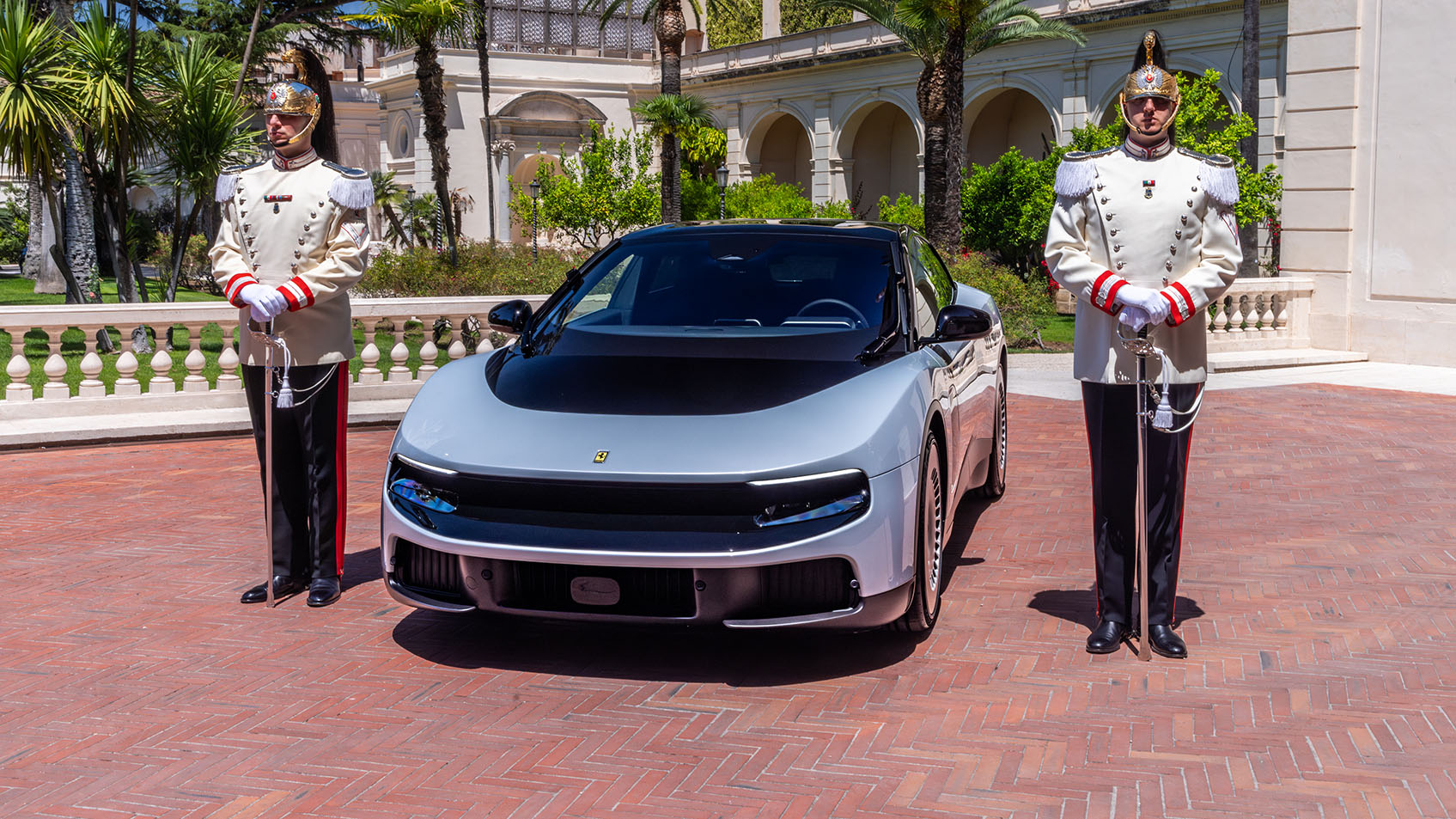
- The Luce debuted. Ferrari's first electric model, styled with Jony Ive's LoveFrom studio, debuted at a controlled-access event in Italy. Reporters were moved under police escort to the venue. NDAs reportedly carried penalties up to €600,000 for breaches. Journalists' phones and laptops were physically stickered and monitored on site. Around 200 attendees got approximately 30 minutes of supervised time with the car.
- The reaction went hostile. Enthusiast communities on X, Instagram, Reddit, and YouTube ran heavily negative. Posts mentioning the Luce were reshared more than 62,500 times in the first 72 hours. A single journalist's post carrying critical comments from former Ferrari chairman Luca di Montezemolo drew 4.8 million views. A FormulaPassion Facebook reel on the backlash drew roughly 70,000 interactions — about double Ferrari's best-performing owned post in the same window.
- The shares moved. Ferrari shares fell about 8% in the immediate aftermath of the launch — a rare public rebuke for one of the industry's most valuable brands.
Then, weeks later: the man who ran the launch is replaced.
Why this is more than a routine personnel change
The standard read of an executive transition at a luxury carmaker is succession planning. That's almost never the full story when the change lands within weeks of a major product event, and it is not the full story here.
Three reasons to take the timing seriously:
- Galliera had been there sixteen years. That's not someone Ferrari was preparing to replace quietly. That's someone Ferrari was preparing to retire on their terms, with a long runway and a careful handover.
- The replacement is an outsider. Di Silvestre has spent his career at BMW and adjacent premium brands. He has never worked inside Maranello. Bringing in someone with no Ferrari institutional memory to run the commercial operation is the kind of move you make when you want a different operating posture, not a continuity move.
- The Luce launch needs a different playbook. The next 18 months for Ferrari's electrification story are not about the Luce — they're about defending the price of the rest of the lineup while the brand absorbs the Luce's reception. That's a marketing problem, not a sales problem. It needs someone who has managed a luxury brand through a divisive moment before.
What Ferrari actually learned from the Luce rollout
The launch succeeded at one thing Ferrari cares about: nobody leaked significant technical detail before the reveal. The control worked. NDA enforcement, phone sticker policy, supervised viewing windows — the campaign did what it was designed to do.
It failed at everything else. The conversation that emerged was about design, not engineering. Criticism was driven by enthusiast communities that Ferrari doesn't control, anchored by Montezemolo's intervention (he chaired Ferrari for over two decades until 2014 and remains an influential voice in Italy). Ferrari's defensive interviews after the reveal didn't move the conversation. The Facebook reel about the backlash drew twice the engagement of Ferrari's best owned post in the period.
The lesson isn't that Ferrari picked the wrong car. The lesson is that controlling what people see is not the same as controlling what people think. The Luce rollout won the reveal and lost the story.
What Di Silvestre is actually being hired to fix
The reading that makes the most sense: Ferrari doesn't need Di Silvestre to sell more cars. Ferrari needs him to manage a luxury brand through a divisive moment without losing the rest of the lineup's pricing power.
That means:
- Quieter rolls. The Luce reveal was a media-control event with police escorts and €600k NDAs. Future Ferrari reveals that get that treatment will inherit the Luce's narrative baggage. A different playbook — more open, less theatrical — is the only way to reset the conversation.
- Better integration with enthusiast communities. The Luce backlash was driven by the same Ferrari enthusiast forums that, in 2024, would have driven pre-order buzz for any new mid-engine V12. Alienating that audience on the brand's first EV is a structural problem, not a tactical one.
- Defensive pricing discipline. Ferrari's pricing power depends on the brand's perceived exclusivity. An 8% share drop after a launch suggests the market read the Luce as a brand-strategy event, not a product event. Di Silvestre's job is to keep the next product launch reading as a product event.
What to watch in the next quarter
- How Ferrari positions the next reveal. If the next launch drops the police-escort framing and lands closer to a normal OEM press event, the Luce playbook has been quietly retired. If the next launch repeats it, Ferrari has decided to ride out the Luce narrative.
- Whether Montezemolo goes quiet. He didn't criticize the Luce for sport. He criticized it as a former custodian of the brand. Ferrari's ability to neutralize that criticism without engaging it is the actual test.
- Whether Di Silvestre's BMW playbook shows up immediately. BMW has historically been the most disciplined premium brand at integrating EVs into a halo lineup without disrupting the existing portfolio. If Ferrari's next communication borrows from that approach — rather than the Apple-style reveal theater of the Luce — the strategic intent of the hire will be visible.
The verdict
Ferrari says this is succession. The math says otherwise. Replacing a 16-year commercial chief within weeks of an 8% share drop and a 4.8-million-view rebuke from a former chairman is not a routine transition. It's a recognition that the brand's launch playbook — built during the most successful stretch in Ferrari's history — needs a different hand on the wheel for what comes next.
Di Silvestre isn't being hired to sell more cars. He's being hired so Ferrari can afford to build more electric ones.
Source: Eletric-Vehicles.com — Ferrari Replaces Marketing Chief Weeks After Luce EV Debut. By Cláudio Afonso. AutoWheeler analysis built on the source reporting; opinion and interpretation are our own.