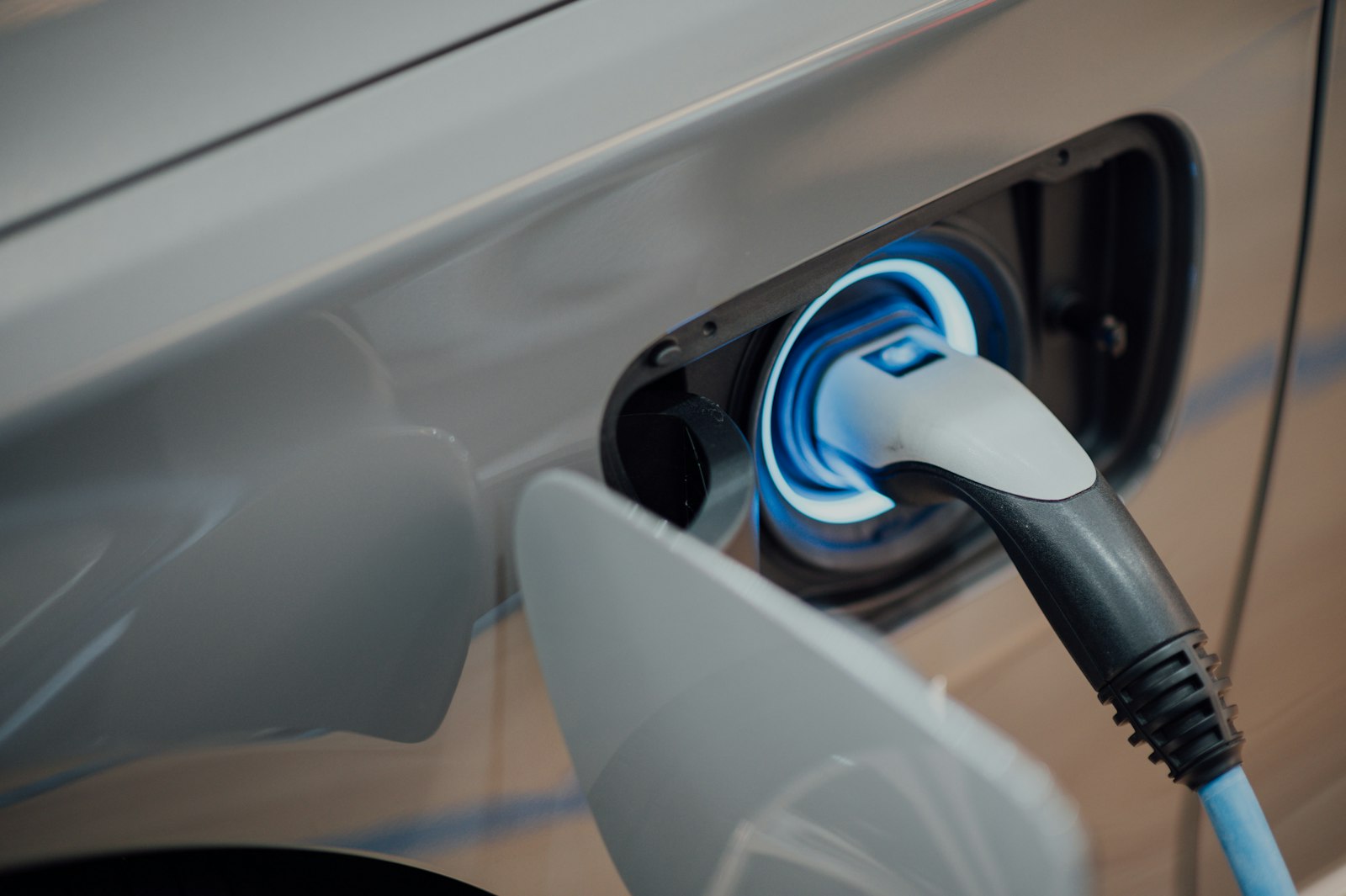
Earlier this week, Electrek reported that Factorial Energy and Stellantis have started real-world road testing of a solid-state EV battery in North America for the first time ever. The pack, integrated into a Dodge Charger Daytona development car, delivers a 50% range gain over today's lithium-ion cells. This is the moment the solid-state story finally leaves the press release and hits asphalt.
What's Actually New
Factorial's FEST (Factorial Electrolyte System Technology) cells have been validated at 375 Wh/kg with more than 600 charge cycles. For context, the best production lithium-ion packs today sit around 250-280 Wh/kg at the cell level. That single number is why every automaker is racing to ship solid-state — and why this announcement matters more than a dozen previous lab demos.
But the more interesting specs are the ones that show up at the charger and in the parking lot:
- 15% to 90% charge in 18 minutes — comparable to today's best 800V lithium-ion, with a denser cell
- Operating range from -30°C to 45°C (-22°F to 113°F) — no thermal throttling in real winter or desert heat
- 4C continuous discharge — enough to feed a high-performance 600+ hp EV without voltage sag
- 600+ miles (965+ km) of range on a single charge at the cell level, per Factorial's spec sheet
What the Mercedes Run Actually Proved
Last September, Mercedes-Benz drove a modified EQS sedan over 1,205 km (749 miles) on a single charge using Factorial's cells, with Markus Schäfer calling the tech a potential "gamechanger." That wasn't a lab test on a dyno — it was a multi-day public road demonstration that ended with a working pack and a tired driver. Mercedes now has a real data set on degradation, thermal behavior, and pack architecture to feed back into the next-generation EQS, which is expected to use a productionized version of this cell in 2027-2028.
The Engineering Trick Most Reviews Miss
Everyone focuses on energy density. The bigger unlock is pack-level safety and simplification. A solid-state cell replaces the flammable liquid electrolyte with a solid one, which means:
- No thermal runaway propagation between cells — a damaged cell doesn't ignite its neighbours
- No cooling plate liquid-to-cell interface in some architectures — passive air cooling becomes viable
- Lower pack weight because the cell housing itself can be thinner
Stellantis said the transition from lab to vehicle "demanded advanced engineering solutions" — specifically, rewriting the control systems and pack design to handle the new chemistry safely. The STLA Large platform was reworked to fit the FEST modules, and that's the real engineering work: not the cell, but the module and pack integration that turns a chemistry breakthrough into a drivable car.
What This Means for Buyers
Short term (2026-2027): A handful of flagship vehicles — Mercedes EQS successor, a Stellantis halo car, and Hyundai/Kia premium EVs — will ship with solid-state options at a $15,000-$25,000 premium over equivalent lithium-ion trims. Range will jump from ~400 miles to ~600 miles. Charging stops will drop from 25-30 minutes to 18 minutes.
Medium term (2028-2030): Costs come down as Factorial scales (the company just listed on Nasdaq as FAC at a $1.3B valuation). Mid-trim EVs gain 400+ mile range as standard. The used-EV market starts to invert — older 250-mile EVs become harder to sell.
Long term (2030+): The 100-year-old internal combustion engine is functionally finished in new-car showrooms. A 600-mile EV that charges in 18 minutes removes the last real objections to EV ownership.
The Competition Isn't Sleeping
| Manufacturer | Solid-state status (June 2026) | Target year |
|---|---|---|
| Factorial (US) | Road testing with Stellantis, Mercedes, Hyundai, Kia | 2027-2028 |
| Toyota | Pilot line in Japan, limited production rumored | 2027-2028 |
| BYD | Semi-solid-state in mass-market Han L | 2026 (limited) |
| CATL | "Reality check" public statements, condensed-state shipping | 2027 |
| ProLogium (Taiwan) | Mass-production line building, OPmobility module deal | 2026-2027 |
| Nissan | Cheaper-than-China solid-state R&D program | 2028 |
"This milestone doesn't just validate FEST; it sets a new bar for what automotive-grade solid-state batteries can deliver." — Siyu Huang, CEO of Factorial Energy, on the Stellantis road test
The Bottom Line
Solid-state batteries just became real. Not "coming soon" real — driven on a public road by a real engineer in a real Dodge Charger real. If you're shopping for a new EV in 2026, the calculus is changing faster than the marketing brochures suggest. A car you buy today will be obsolete in range and charging speed within 24 months. Wait if you can. Lease if you can't.
Browse our electric vehicle coverage
Battery tech, charging networks, and the cars that use them.
Source: Electrek — Solid-state batteries are now powering EVs in the real world (Jun 11 2026). Republished on AutoWheeler with added analysis.