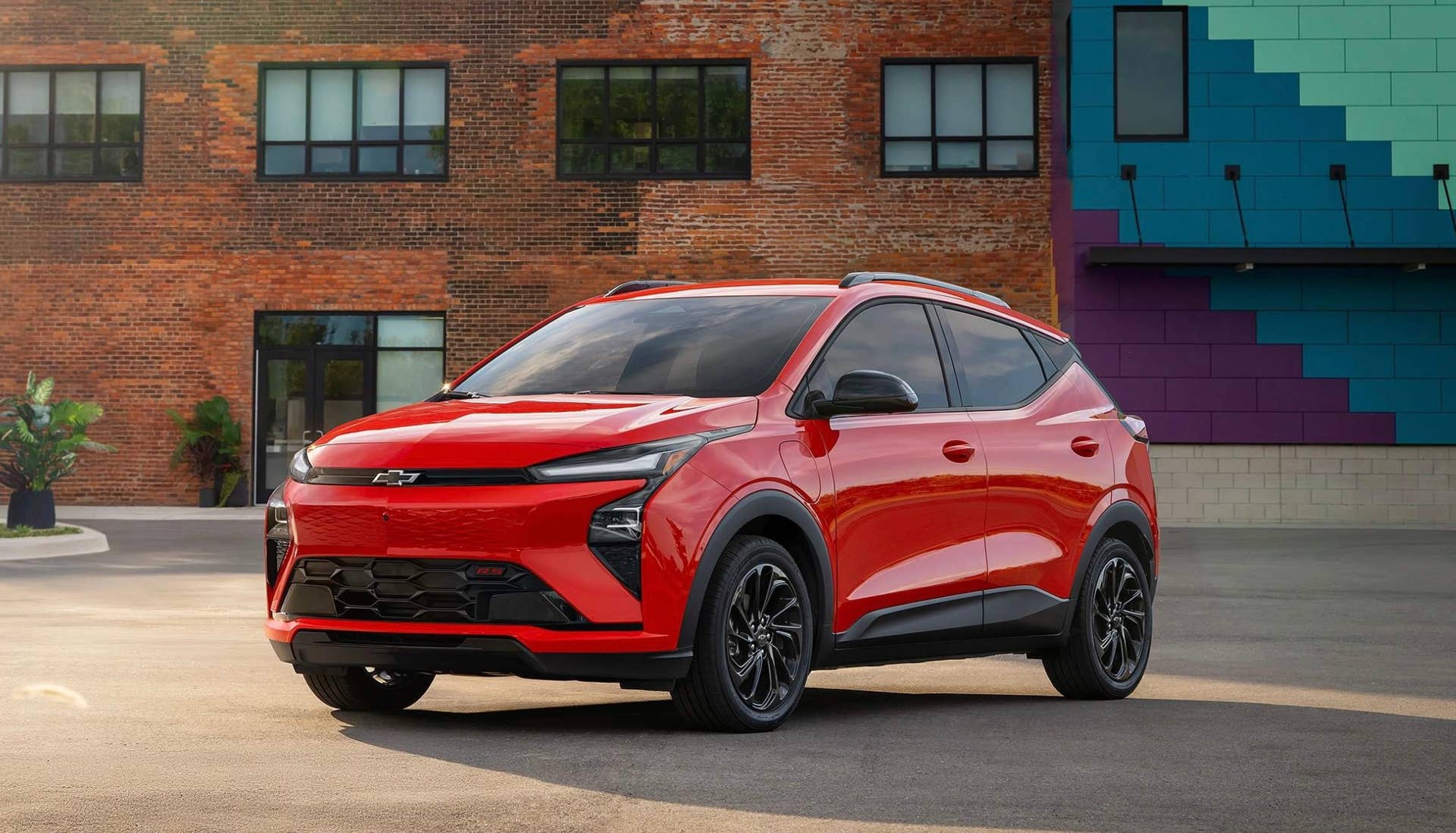
Earlier this week, InsideEVs reported that General Motors may pivot away from lithium-iron-phosphate (LFP) batteries — the industry's go-to cheap chemistry — in favor of lithium manganese-rich (LMR) cells. The engineering behind this potential shift is more interesting than the headline suggests.
The LMR Angle Most Coverage Misses
LFP won on cost by eliminating nickel and cobalt. But it pays an energy-density penalty: roughly 15-20% less range per kilogram than nickel-manganese-cobalt (NMC). GM's Kurt Kelty argues LMR closes that gap while keeping costs down. Manganese is abundant, cheap, and doesn't suffer from nickel's price swings.
Real-World Numbers (from S&P Global & Argonne Lab)
- LMR energy density: ~33% higher than LFP (per S&P Global July 2025 report)
- Cold-weather performance: measurably better than LFP
- Target production: GM + LG prismatic cells in the U.S. by 2028
- Cost parity: projected at scale with LFP
What This Means for Budget Buyers
A 2028 Chevrolet Equinox EV on LMR could deliver 350+ miles EPA for the same pack cost that buys 270 miles on today's LFP. No 400-mile pack needed — just better chemistry.
The catch: LMR still has to prove cycle life at scale. LFP wins on proven durability. But if GM and Ford both commit, the supply chain will mature fast.
"LMR offers the same cost-lowering benefits as LFP, but without the energy density penalty relative to NMC." — InsideEVs, citing GM battery chief Kurt Kelty
EV Guides
Buying guides, cost breakdowns, and real-world range data.
Source: InsideEVs — China Loves This Cheap Battery Tech. Here's Why General Motors Might Not Stick With It. Republished with original analysis by AutoWheeler.